
NLSUI OPAC header image
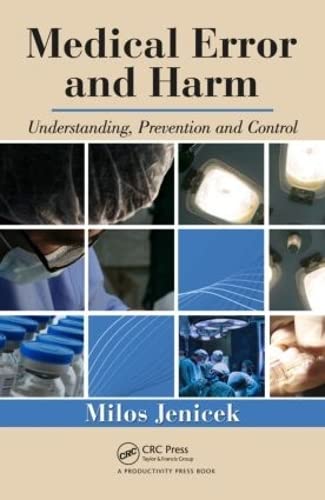
Amazon cover image
Image from Amazon.com

Medical error and harm : understanding, prevention, and control / Milos Jenicek.

By: Publication details: New York : Productivity Press/CRC Press, c2011.Description: xxiii, 360 p. : ill. ; 24 cmISBN:
  • 9781439836941 (hc : alk. paper)
  • 1439836949 (hc : alk. paper)
Subject(s): DDC classification:
  • 610.28 JEN 22
LOC classification:
  • R729.8 .J46 2011
NLM classification:
  • 2010 I-786
  • WB 100
Contents:
Table of Contents Putting medical error and harm in context. Reducing errors and harm in medicine; beyond the ‘oops!’ factor Errors as part of advances in medicine How can we look at and consider medical errors today What is covered in this book The view of medical error problem in the light of the recent experience Medical error and patient safety How this book might contribute to the present state of human error experience and patient safety The valued legacy. Error and harm across general human experience in the non-medical domains. Welcome to lathology. A brief history of the recent human error experience Definition of human error and other related terms Taxonomy of error Cognition and cognitive process at the core of error, and of its understanding and control Models of error, their development and contributing sites and entities in context An epidemiological approach to the error problem human error domain through the eyes of medicine and epidemiology Implications regarding the search for understanding, control and prevention of error today Ensuing state of the human error domain today   Error and harm in the health sciences. Defining and classifying human error and its consequences in clinical and community settings Overview of our today understanding of error today Overview of approaches to error in medicine Definition of medical error Variables and their taxonomy in the medical error domain Describing medical error and harm. Their occurrence and nature in clinical and community settings Research, knowledge acquisition, and intervention strategies in the general error domain as viewed by a methodologically minded physician-epidemiologist Descriptions of single cases, small sets of error cases and harm cases Back to epidemiology: what happens now? Occurrence studies, descriptive epidemiology, magnitude and distribution (‘in‘whom, where and when’) of the error and harm problem How to describe and report the occurrence of medical error and harm; very brief guidelines Analyzing medical error and harm. Search for their causes and consequences Searching for "new" (yet unknown) causes and consequences of medical error and harm; etiological research, analytical observational epidemiology Challenge of deriving cause-effect relationships from one or very few past observations; a priori causal attribution Off beat searches for causes; siding with mainstream epidemiological experience "Experimental" demonstration of medical error and harem causes and its compromises and alternatives Is the mainstream epidemiological methodology of causal research feasible in the domain of medical error and harm? Flaws in operator’s reasoning and decision making before action Note about medical error and medical harm System error vs. individual human error Reminder regarding some fundamental considerations Flawed argumentation and reasoning as sites and generators of error and harm argumentation and human error and harm analysis from a logical perspective Where and when errors occur. Cognitive pathways as sites of error Prevention, intervention and control of medical error and harm. Clinical epidemiological considerations of actions and their evaluation Basic definitions, concepts and strategies of intervention in lathology Basic angles of evaluation in lathology: Structure, process, outcomes, and other subjects to evaluate What should be evaluated at the individual level: knowledge, attitudes, and skills Experimental, quasi-experimental and non-experimental evaluation of interventions to understand and better control medical error and harm problems Taking medical error and harm to court. Contributions of physicians and expectations of physicians in tort litigation and legal decision-making Medical, surgical and public health malpractice claims and litigation Language of medicine and law General philosophy and strategies of medicine and law The law process and its stages Cause-effect relationships in medicine and law Litigating the argumentative way Disclosure of medical errors: Working in law and epidemiology with what is available A difficult mix: medicine, ethics and law Conclusions Challenges in focus Confounding error and harm Persisting diversity of semantics and taxonomy Lack of epidemiology Dichotomy in lathology Lack of training in lathology Better knowledge, attitudes and skills in the management of error and harm A need for better knowledge of cases of error and harm Challenge of communication Interaction between stakeholders in the error and harm domain in medicine Psychological, social and legal challenges to perpetrators of error and creators of harm Material gains and losses related to error and harm Possible ethical challenges Individual human error vs. system error Lack of pragmatic choices regarding what to do in lathology Unexpected roles, uses and potentials of logic, critical thinking and evidence in generating error management activities Legal considerations A Brief and (hopefully) Harmonized Glossary Appendices.
Summary: "This book arrives at a time of heightened concerns about patient safety in medical care and the overall responsibility assumed by health professionals. It begins by exploring experiences of error and harm in general, and it covers medical errors that can be attributed to system failures and errors in an individual's reasoning, subsequent decision-making, and execution of tasks in medical care. It focuses on how to detect, correct, and avoid errors and their sometimes disastrous consequences. The book concludes with an analysis of the contributions and expectations of physicians in tort litigation and legal decision-making"--Provided by publisher.
Star ratings
    Average rating: 0.0 (0 votes)
Holdings
Item type Current library Shelving location Call number Status Barcode
BOOKs . NAB Compactor 610.28 JEN (Browse shelf(Opens below)) Available 27588

Includes bibliographical references and index.

Table of Contents
Putting medical error and harm in context. Reducing errors and harm in medicine; beyond the ‘oops!’ factor
Errors as part of advances in medicine
How can we look at and consider medical errors today
What is covered in this book
The view of medical error problem in the light of the recent experience
Medical error and patient safety
How this book might contribute to the present state of human error experience and patient safety
The valued legacy. Error and harm across general human experience in the non-medical domains. Welcome to lathology.
A brief history of the recent human error experience
Definition of human error and other related terms
Taxonomy of error
Cognition and cognitive process at the core of error, and of its understanding and control
Models of error, their development and contributing sites and entities in context
An epidemiological approach to the error problem human error domain through the eyes of medicine and epidemiology
Implications regarding the search for understanding, control and prevention of error today
Ensuing state of the human error domain today
 
Error and harm in the health sciences. Defining and classifying human error and its consequences in clinical and community settings
Overview of our today understanding of error today
Overview of approaches to error in medicine
Definition of medical error
Variables and their taxonomy in the medical error domain
Describing medical error and harm. Their occurrence and nature in clinical and community settings
Research, knowledge acquisition, and intervention strategies in the general error domain as viewed by a methodologically minded physician-epidemiologist
Descriptions of single cases, small sets of error cases and harm cases
Back to epidemiology: what happens now? Occurrence studies, descriptive
epidemiology, magnitude and distribution (‘in‘whom, where and when’) of the error and harm problem
How to describe and report the occurrence of medical error and harm; very brief
guidelines
Analyzing medical error and harm. Search for their causes and consequences
Searching for "new" (yet unknown) causes and consequences of medical error and harm; etiological research, analytical observational epidemiology
Challenge of deriving cause-effect relationships from one or very few past observations; a priori causal attribution
Off beat searches for causes; siding with mainstream epidemiological experience
"Experimental" demonstration of medical error and harem causes and its compromises and alternatives
Is the mainstream epidemiological methodology of causal research feasible in the domain of medical error and harm?
Flaws in operator’s reasoning and decision making before action
Note about medical error and medical harm
System error vs. individual human error
Reminder regarding some fundamental considerations
Flawed argumentation and reasoning as sites and generators of error and harm argumentation and human error and harm analysis from a logical perspective
Where and when errors occur. Cognitive pathways as sites of error
Prevention, intervention and control of medical error and harm. Clinical epidemiological considerations of actions and their evaluation
Basic definitions, concepts and strategies of intervention in lathology
Basic angles of evaluation in lathology: Structure, process, outcomes, and other subjects to evaluate
What should be evaluated at the individual level: knowledge, attitudes, and skills
Experimental, quasi-experimental and non-experimental evaluation of interventions to understand and better control medical error and harm problems
Taking medical error and harm to court. Contributions of physicians and expectations of physicians in tort litigation and legal decision-making
Medical, surgical and public health malpractice claims and litigation
Language of medicine and law
General philosophy and strategies of medicine and law
The law process and its stages
Cause-effect relationships in medicine and law
Litigating the argumentative way
Disclosure of medical errors: Working in law and epidemiology with what is available
A difficult mix: medicine, ethics and law
Conclusions
Challenges in focus
Confounding error and harm
Persisting diversity of semantics and taxonomy
Lack of epidemiology
Dichotomy in lathology
Lack of training in lathology
Better knowledge, attitudes and skills in the management of error and harm
A need for better knowledge of cases of error and harm
Challenge of communication
Interaction between stakeholders in the error and harm domain in medicine
Psychological, social and legal challenges to perpetrators of error and creators of harm
Material gains and losses related to error and harm
Possible ethical challenges
Individual human error vs. system error
Lack of pragmatic choices regarding what to do in lathology
Unexpected roles, uses and potentials of logic, critical thinking and evidence in generating error management activities
Legal considerations
A Brief and (hopefully) Harmonized Glossary
Appendices.

"This book arrives at a time of heightened concerns about patient safety in medical care and the overall responsibility assumed by health professionals. It begins by exploring experiences of error and harm in general, and it covers medical errors that can be attributed to system failures and errors in an individual's reasoning, subsequent decision-making, and execution of tasks in medical care. It focuses on how to detect, correct, and avoid errors and their sometimes disastrous consequences. The book concludes with an analysis of the contributions and expectations of physicians in tort litigation and legal decision-making"--Provided by publisher.