

Library Catalogue
| Item type | Current library | Shelving location | Call number | Materials specified | Status | Notes | Date due | Barcode | |
|---|---|---|---|---|---|---|---|---|---|
 BOOKs
BOOKs
|
NLS | Circulation Counter | 305.420954 MIT (Browse shelf(Opens below)) | HB | Checked out | Recommended by Dr. Anindita Adhikari | 08/09/2026 | 40864 |
Introduction, or what is the future we yearn for? -
The Conference, or what if gathering together liberated us? -
The report, or whatever happened to third world feminist theory? -
The organization, or what if we collaborate across borders? -
The book, or how we can seize the means of knowledge production? -
The protest, or what if we took to the streets? -
Afterword, or we're still here -
Acknowledgements -
Appendix: Short bios of selected women who animate the future that was -
Notes.
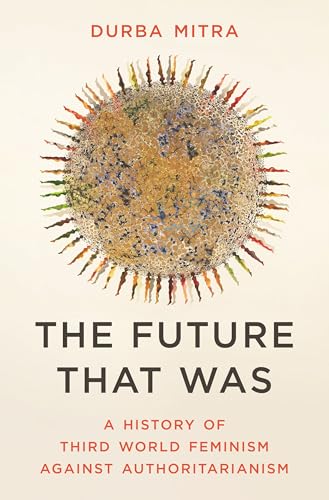
"Beginning in the 1970s, women of the decolonizing world offered new visions of liberation that centered the ideas and lives of women. Galvanized by International Women's Year in 1975 and the UN's Decade of Women, Third World women developed novel ideas of equality and self-determination, building a new internationalism in opposition to neocolonialism and postcolonial authoritarianism. In The Future That Was, feminist historian Durba Mitra offers a pathbreaking account of how these women wrote Third World feminism into being, catalyzing a momentous expansion of knowledge about women, gender, and sexuality that transformed emancipatory politics across the globe. Mitra shows how women from former colonies in South Asia, Africa, the Caribbean, and beyond envisioned a radically just world--and did so by insisting that research on the world's women lay at the heart of debates about global inequality, development, and human rights. Women gathered at international conferences, wrote reports on the dangers facing women, and took to the streets in protest, building a world of knowledge that contested the devastating effects of patriarchy and colonialism. Yet, despite hundreds of laws, institutions, and publications created through the efforts of these women, the future they imagined was never fully realized. The Future That Was transforms the story of decolonization and its aftermath through the history and ideas of women. By excavating these vital pasts, Mitra shows how we might envision a future of our own that is freer than the present." -- Back cover


