
NLSUI OPAC header image
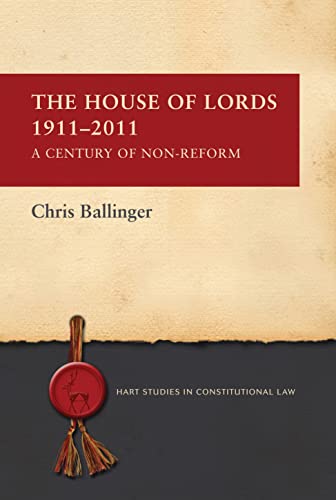
Amazon cover image
Image from Amazon.com

The House of Lords 1911-2011 : A century of non-reform

By: Contributor(s):
Publication details: London Hart Publishing 2012Description: 249p xiiiISBN:
  • 9781849462891
Subject(s): DDC classification:
  • 328.400000 BAL
Contents:
Table Of Contents Introduction: Reform and Non-reform ; Reform and Non-reform ; A Century of Non-reform ; The Evolution of the House of Lords ; Twelve Instances of Reform and Non-reform ; 1 Veto Limitation over Reform: The Parliament Act 1911 ; The Political Situation, 1906–07 ; Cabinet Discussions on Lords Reform, 1907 ; Budget Rejection, 1909 ; Between the 1910 Elections ; The Parliament Bill 1911 ; Reform following Veto Limitation? 1911–14 ; Conclusion ; 2 'The Battle is Over': House of Lords Reform, 1917–45 ; The Bryce Conference, 1917–18 ; Cabinet Committees, 1921–22 ; The Cabinet Committee, 1925–27 ; Lords reform in the 1920s ; Avoiding Reform, 1928–45; 3 A Pre-emptive Strike: The Parliament Act 1949 ; Labour and the House of Lords ; Moves Towards reform, 1943–47 ; Nationalisation and House of Lords Reform ; The Parliament Bill 1947 ; The Party Leaders' Conference 1948 ; The Parliament Bill Resumed ; The Iron and Steel Bill ; Conclusion ; 4 Diluting the Hereditary Principle?: The Life Peerages Act 1958 ; Life Peers ; Inter-Party Discussions ; Discussions, 1953–55 ; Limiting the Hereditaries: Proposals ; Wider Reform: The Cabinet Committee, 1955–56 ; Short and Long Bills ; The Life Peerages Bill ; Limiting the Hereditary Peers ; Conclusion ; 5 'The Wedgwood Benn Enabling Bill': The Peerage Act 1963 ; A Hereditary Life Peerage ; Earlier Attempts at Renouncing Peerages ; The Persistent Commoner ; Fears over Loss of the Hereditary System ; Party Support for Benn ; The Committee of Privileges ; 'Re-election' ; Seating the 'Defeated' Candidate ; The Joint Select Committee ; The Peerage Bill ; Conclusion ; 6 Adding to Wilson's Strife: The Inter-Party Conference and the Parliament (No 2) Bill [1968–69] ; Abandoning the Unilateral, Two-Stage Approach ; The Inter-Party Conference ; The Southern Rhodesia (United Nations Sanctions) Order 1968 ; The White Paper and the Decision to Proceed with the Bill ; The Parliament (No 2) Bill ; Abandoning the Bill ; 1970 ; Conclusion ; Epilogue: House of Lords Reform, 1970–74 ; After 1974 ; 7 Stage One of Two?: The House of Lords Act 1999 ; Turning the Tide of Constitutional Reform ; John Smith's Leadership ; Tony Blair and House of Lords Reform ; Post-election 1997 ; Priorities for the First Session ; The Cabinet Committee ; The Queen's Speech 1998 ; The Weatherill Amendment: Origins ; The House of Lords Bill ; By-elections for Hereditary Peers ; Conclusion ; 8 The Long Stage Two: The Wakeham Commission and Beyond ; The Royal Commission on the Reform of the House of Lords ; Follow-up to the Royals Commissions's Report ; 2001–05: Indecision, then a Surprising Move on Reform ; Lords Reform in Labour's Third Term ; 2010: General Election and Coalition Government ; Conclusion ; 9 Reasons for Reform and Non-reform ; How and Why Does House of Lords Reform Reach the Cabinet's Agenda? ; How Do Proposals Change When Under Consideration? ; How and Why Do Proposals Succeed or Fail? ; Conclusion
Star ratings
    Average rating: 0.0 (0 votes)
Holdings
Item type Current library Call number Status Barcode
BOOKs . 328.4 BAL (Browse shelf(Opens below)) Available 30177

Table Of Contents
Introduction: Reform and Non-reform ;
Reform and Non-reform ;
A Century of Non-reform ;
The Evolution of the House of Lords ;
Twelve Instances of Reform and Non-reform ;
1 Veto Limitation over Reform: The Parliament Act 1911 ;
The Political Situation, 1906–07 ;
Cabinet Discussions on Lords Reform, 1907 ;
Budget Rejection, 1909 ;
Between the 1910 Elections ;
The Parliament Bill 1911 ;
Reform following Veto Limitation? 1911–14 ;
Conclusion ;
2 'The Battle is Over': House of Lords Reform, 1917–45 ;
The Bryce Conference, 1917–18 ;
Cabinet Committees, 1921–22 ;
The Cabinet Committee, 1925–27 ;
Lords reform in the 1920s ;
Avoiding Reform, 1928–45;
3 A Pre-emptive Strike: The Parliament Act 1949 ;
Labour and the House of Lords ;
Moves Towards reform, 1943–47 ;
Nationalisation and House of Lords Reform ;
The Parliament Bill 1947 ;
The Party Leaders' Conference 1948 ;
The Parliament Bill Resumed ;
The Iron and Steel Bill ;
Conclusion ;
4 Diluting the Hereditary Principle?: The Life Peerages Act 1958 ;
Life Peers ;
Inter-Party Discussions ;
Discussions, 1953–55 ;
Limiting the Hereditaries: Proposals ;
Wider Reform: The Cabinet Committee, 1955–56 ;
Short and Long Bills ;
The Life Peerages Bill ;
Limiting the Hereditary Peers ;
Conclusion ;
5 'The Wedgwood Benn Enabling Bill': The Peerage Act 1963 ;
A Hereditary Life Peerage ;
Earlier Attempts at Renouncing Peerages ;
The Persistent Commoner ;
Fears over Loss of the Hereditary System ;
Party Support for Benn ;
The Committee of Privileges ;
'Re-election' ;
Seating the 'Defeated' Candidate ;
The Joint Select Committee ;
The Peerage Bill ;
Conclusion ;
6 Adding to Wilson's Strife: The Inter-Party Conference and the Parliament (No 2) Bill [1968–69] ;
Abandoning the Unilateral, Two-Stage Approach ;
The Inter-Party Conference ;
The Southern Rhodesia (United Nations Sanctions) Order 1968 ;
The White Paper and the Decision to Proceed with the Bill ;
The Parliament (No 2) Bill ;
Abandoning the Bill ;
1970 ;
Conclusion ;
Epilogue: House of Lords Reform, 1970–74 ;
After 1974 ;
7 Stage One of Two?: The House of Lords Act 1999 ;
Turning the Tide of Constitutional Reform ;
John Smith's Leadership ;
Tony Blair and House of Lords Reform ;
Post-election 1997 ;
Priorities for the First Session ;
The Cabinet Committee ;
The Queen's Speech 1998 ;
The Weatherill Amendment: Origins ;
The House of Lords Bill ;
By-elections for Hereditary Peers ;
Conclusion ;
8 The Long Stage Two: The Wakeham Commission and Beyond ;
The Royal Commission on the Reform of the House of Lords ;
Follow-up to the Royals Commissions's Report ;
2001–05: Indecision, then a Surprising Move on Reform ;
Lords Reform in Labour's Third Term ;
2010: General Election and Coalition Government ;
Conclusion ;
9 Reasons for Reform and Non-reform ;
How and Why Does House of Lords Reform Reach the Cabinet's Agenda? ;
How Do Proposals Change When Under Consideration? ;
How and Why Do Proposals Succeed or Fail? ;
Conclusion