

NLSUI OPAC header image
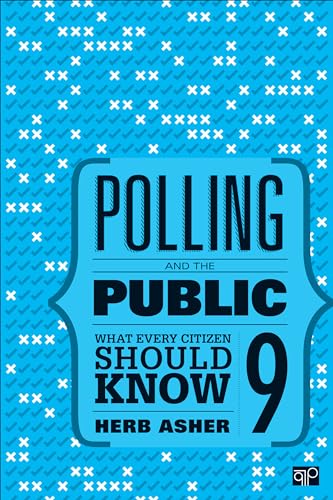
Amazon cover image
Image from Amazon.com

Polling and the public : what every citizen should know / Herb Asher

By: Publisher: London : SAGE Publications, 2017Edition: 9th edDescription: xii, 348 p. ; 23 cmISBN:
  • 9781506352428 (pbk.)
Subject(s): DDC classification:
  • 303.380973 ASH
Contents:
Chapter 1: Polling and the Public The Importance of Polls, The Pervasiveness of Polls Commissioned Polls, FRUGging, SUGging, and Pseudopolls The Citizen as a Consumer of Polls, Citizens' Views of Polls Polling and Democracy, Exercises Chapter 2: The Problem of Nonattitudes, An Example of Nonattitudes The Use of Screening Questions, Nonattitudes and the Middle Position in Survey Questions Response Instability and Nonattitudes: Implications for Democracy and Public Policy Conclusion, Exercises Chapter 3: Wording and Context of Questions, Question Wording Question Order and Context, Order, Context, and Visual Effects in Self-Administered Surveys An Extended Example, Conclusion, Exercises Chapter 4: Sampling Techniques, Nonprobability Sampling, Sampling Designs Sample Size and Sampling Error, Total Versus Actual Sample Size, Response Rates Weighting the Sample, Two Extended Examples, Conclusion, Exercises Chapter 5: Interviewing and Data Collection Procedures, Methods of Collecting Polling Information Interviewer Effects in Public Opinion Polling, Internet Polling, Conclusion, Exercises Chapter 6: The Media and the Polls, Standards for Reporting Results, Substantive Interpretation of Polls, Media, Polls, and the News Reporting Emphasis, Conclusion, Exercises Chapter 7: Polls and Elections, Sponsors of Election Polls, Types of Election Polls Uses of Polls by Candidates, Polls in the Presidential Selection Process, When and Why Election Predictions Are Wrong: How Preelection Polls Affect Voters Conclusion, Exercises Chapter 8: Analyzing and Interpreting Polls, Choosing Items to Analyze Examining Trends with Polling Data, Examining Subsets of Respondents Interpreting Poll Results, When Polls Conflict and When Polls Surprise: Some Final Thoughts Exercises, Chapter 9: Polling and Democracy, How to Evaluate Polls: A Summary Polls and Their Effect on the Political System, Conclusion, Exercise References Index
Star ratings
    Average rating: 0.0 (0 votes)
Holdings
Item type Current library Call number Materials specified Status Barcode
BOOKs . 303.380973 ASH (Browse shelf(Opens below)) PB Available 35791

Chapter 1: Polling and the Public
The Importance of Polls, The Pervasiveness of Polls
Commissioned Polls, FRUGging, SUGging, and Pseudopolls
The Citizen as a Consumer of Polls, Citizens' Views of Polls
Polling and Democracy, Exercises

Chapter 2: The Problem of Nonattitudes, An Example of Nonattitudes
The Use of Screening Questions, Nonattitudes and the Middle Position in Survey Questions
Response Instability and Nonattitudes: Implications for Democracy and Public Policy
Conclusion, Exercises

Chapter 3: Wording and Context of Questions, Question Wording
Question Order and Context, Order, Context, and Visual Effects in Self-Administered Surveys
An Extended Example, Conclusion, Exercises

Chapter 4: Sampling Techniques, Nonprobability Sampling, Sampling Designs
Sample Size and Sampling Error, Total Versus Actual Sample Size, Response Rates
Weighting the Sample, Two Extended Examples, Conclusion, Exercises
Chapter 5: Interviewing and Data Collection Procedures, Methods of Collecting Polling Information
Interviewer Effects in Public Opinion Polling, Internet Polling, Conclusion, Exercises

Chapter 6: The Media and the Polls, Standards for Reporting Results, Substantive Interpretation of Polls, Media, Polls, and the News Reporting Emphasis, Conclusion, Exercises

Chapter 7: Polls and Elections, Sponsors of Election Polls, Types of Election Polls
Uses of Polls by Candidates, Polls in the Presidential Selection Process,
When and Why Election Predictions Are Wrong: How Preelection Polls Affect Voters
Conclusion, Exercises

Chapter 8: Analyzing and Interpreting Polls, Choosing Items to Analyze
Examining Trends with Polling Data, Examining Subsets of Respondents
Interpreting Poll Results, When Polls Conflict and When Polls Surprise: Some Final Thoughts
Exercises,

Chapter 9: Polling and Democracy, How to Evaluate Polls: A Summary
Polls and Their Effect on the Political System, Conclusion, Exercise
References
Index